Russia's New Frontline Tactics: 'Passive Aggression' and 'Grey Zones'
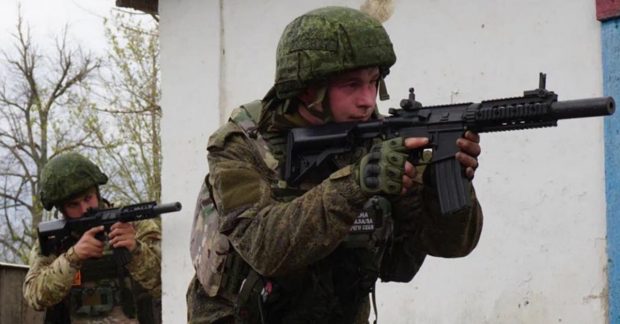
Russian forces have shifted to infiltration tactics using small groups to provoke Ukrainian counterattacks and target them with drones.
 🛡️Security
Photo: UNIAN
Key points
- Shift from large assaults to small-group infiltration
- Using 'grey zones' to bait counterattacks
- Focus on drone warfare to minimize equipment loss
- Successful Ukrainian counter-offensive in Kharkiv region
A Shift in Russian Strategy
Russian military command has moved away from large-scale assaults, adopting an 'infiltration' strategy instead. According to an OSINT analyst known as Monstas, this approach is characterized as a 'passive-aggressive offensive,' where small infantry units attempt to penetrate deeper into Ukrainian defensive lines.
Instead of seeking territorial control, these units aim to disperse and hide, avoiding direct fire contact. By doing so, they create 'grey zones' that appear as captured territory on Russian maps, even if they are not under actual control. The primary goal is to lure Ukrainian forces into counterattacks, making them vulnerable to drone strikes.
The Role of UAVs
The ubiquity of drones on the battlefield has made traditional assault groups highly costly. Consequently, Russian forces are prioritizing small, hidden units. Analysts remain skeptical of the long-term effectiveness of this strategy, noting that it relies on extreme disregard for the lives of their own soldiers.
This strategy creates incredibly deep grey zones that do not represent real territorial control, the analyst concludes.
Meanwhile, the Ukrainian Armed Forces continue to execute effective counter-operations, such as the 'Bear Trap' in the Kharkiv region, where Ukrainian troops successfully liberated 14 settlements and thwarted enemy encirclement attempts.
Source UNIAN — unian.ua/war/viyna-v-ukrajini-na-fronti-rosiya-viprobovuye-pasivno-… ↗
Read next
 ⚽Sport
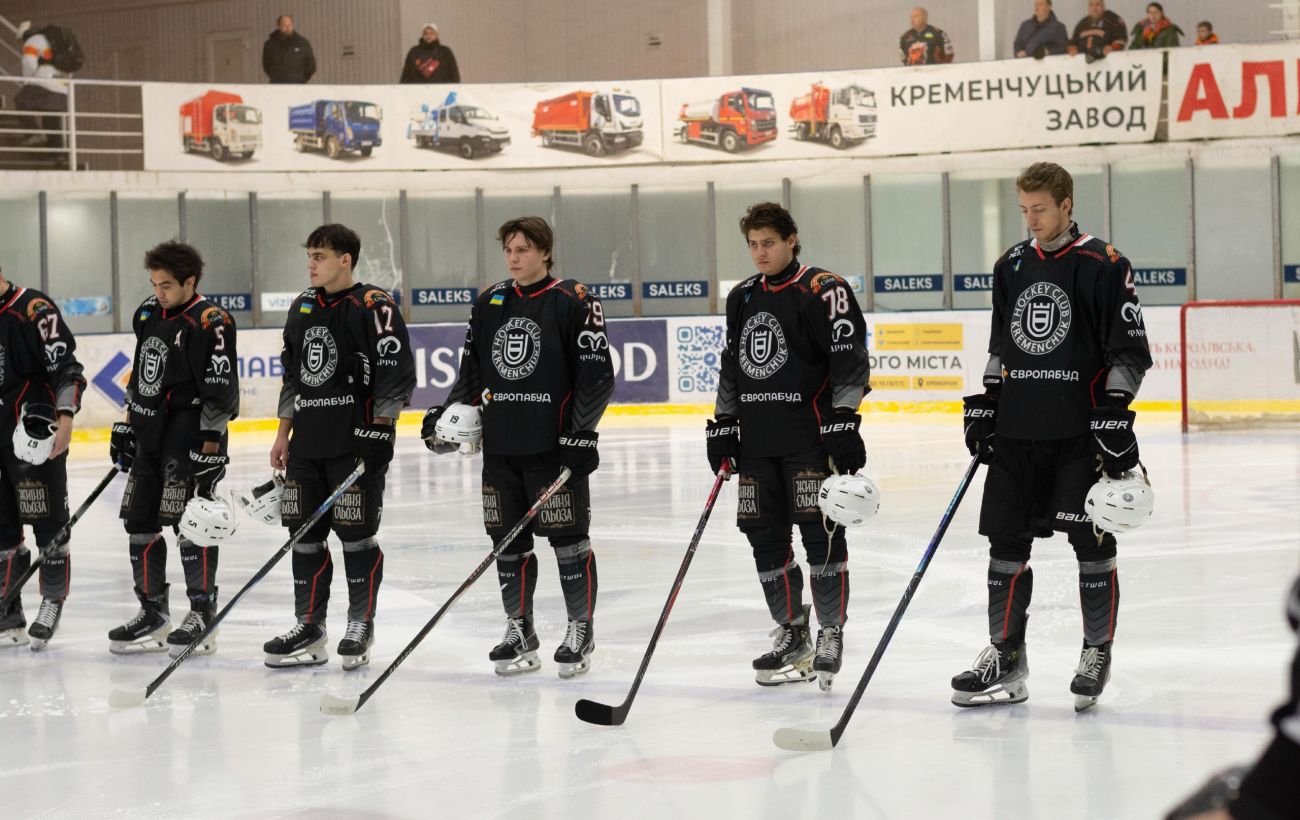
HC Kremenchuk defeats Ukrainian hockey league leader to close in on top spot
Hockey Club Kremenchuk secured a 5:2 home victory against the national league leader Odesshyna. This success allowed the team to move up to second place in the standings.
 💡Tech
Artificial intelligence could extend human lifespan to 1400 years, philosopher predicts
Swedish philosopher Nick Bostrom suggested that advancements in artificial intelligence could help humanity overcome aging and extend lifespans up to 1400 years.
 🚨Events
Poland Investigates Debris of Newly Manufactured Russian Kh-101 Missile
Polish prosecutors have released details regarding the crash of a Russian Kh-101 cruise missile in the Lublin Voivodeship. The weapon was found to be brand new, manufactu…
 💡Tech
Martian 'Forest': NASA Explains Optical Illusion in Red Planet Photos
A NASA spacecraft captured formations on Mars resembling dense trees, but scientists explained this as a natural optical illusion and seasonal geological processes.
 ⚽Sport
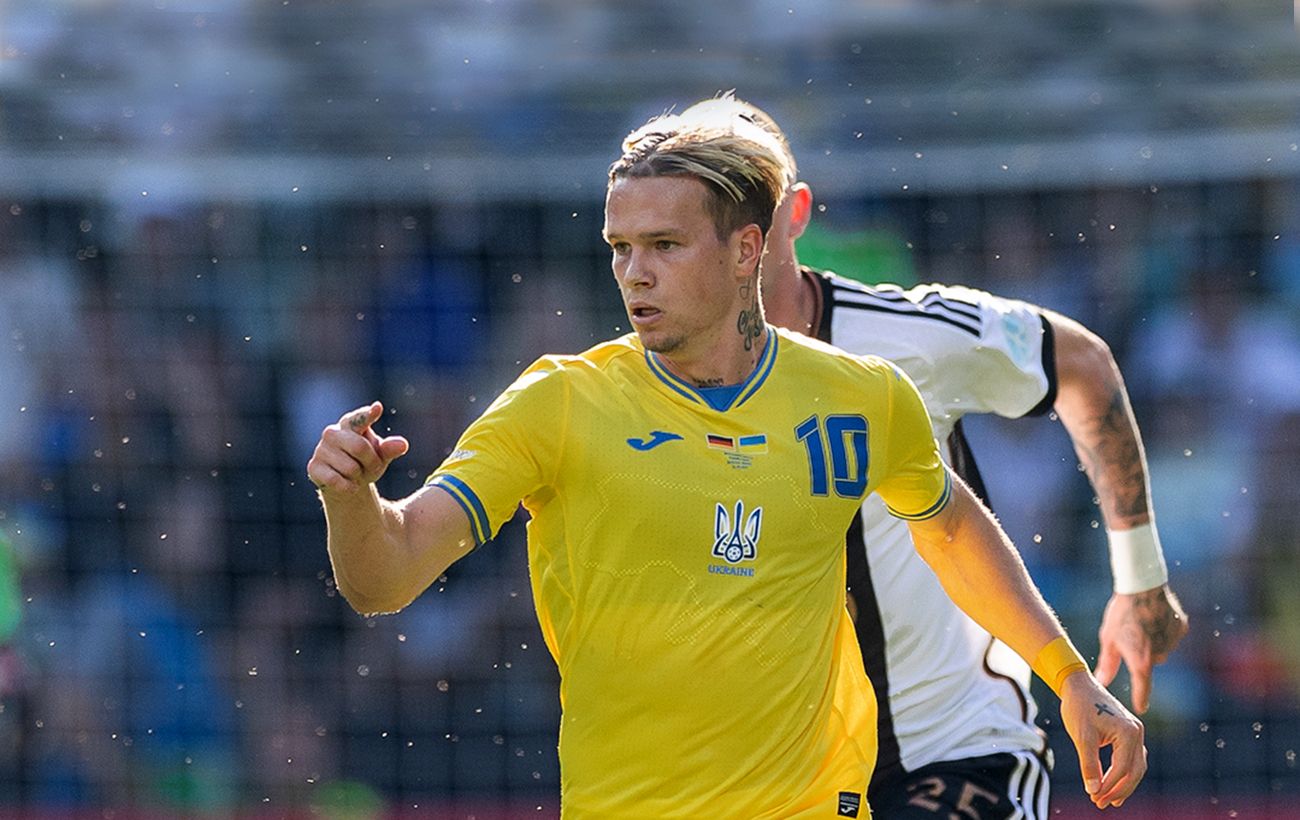
Mudryk Doping Controversy: Ukraine National Team Doctor Responds to Allegations
Ukraine national team doctor Roman Zholobailiuk has rejected claims made by footballer Mykhailo Mudryk regarding the alleged presence of meldonium in his system while wit…
 🚨Events
Death Toll in Russian Attack on Dymer Rises to Two
The death toll from the enemy strike on a residential building in Dymer has risen to two, with four people injured. Rescuers continue searching for 11 missing residents.