Digital Security: Why Overconfidence Online Makes You Vulnerable
Experts warn that overconfidence in digital skills is the primary vulnerability exploited by scammers using AI.
 💡Tech
Photo: RBC-Ukraine
Key points
- Overconfidence is a major security risk
- AI is used in 80% of social engineering attacks
- Critical thinking is the best defense
Daily internet usage has become second nature for residents of Pryluky, often leading to a dangerous lack of caution. According to Ruslana Korenchuk, CEO of 'Diia.Education', the belief that one is 'digitally savvy' is exactly what cybercriminals exploit. Many users automatically open links from friends, failing to consider that those accounts may have been compromised.
The New Era of Cyber Threats
Statistics show that 67% of users encountered security threats within the last year, yet only a third feel safe online. The situation is exacerbated by the use of artificial intelligence: by 2025, over 80% of social engineering attacks are expected to use AI to mimic voices or create highly personalized messages.
Research indicates that 44% of Ukrainians have received requests for money from compromised accounts. Scammers rely on emotional triggers and the trust users place in their friends and family to bypass critical thinking.
Digital literacy today is not about knowing technical terms, but about the ability to doubt what we think we know.
To improve community awareness, the Ministry of Digital Transformation offers a free educational series titled 'Digital Skills and Online Safety' on the 'Diia.Education' platform. This resource is designed to help residents recognize manipulations and better protect their personal information.
Source RBC-Ukraine — rbc.ua/ukr/news/naynebezpechnishe-interneti-upevnenist-shcho-179515… ↗
Read next
 🏛️Politics
Diplomatic maneuvers: E3 security advisors may visit Moscow to discuss conflict resolution
Representatives from Germany, France, and the UK are considering a visit to Moscow for talks regarding the situation in Ukraine.
 💼Economy
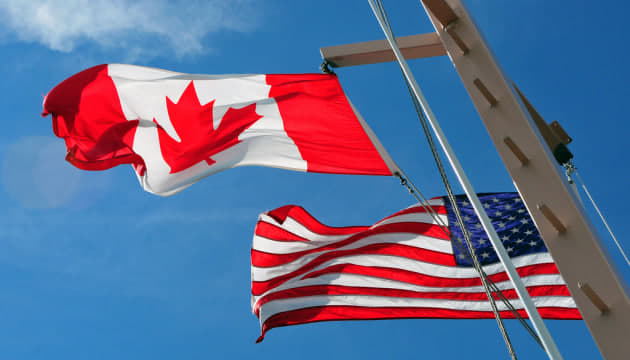
Trade Disputes Between the US and Canada: Trump Demands Deficit Reduction
US President Donald Trump stated that more work is needed on trade relations with Canada, highlighting a significant trade balance deficit.
 🏛️Politics
Pistorius apologizes to Pentagon official over criticism of Ukrainian strikes
German Defense Minister Boris Pistorius has smoothed over a diplomatic incident with US official Elbridge Colby, while maintaining his stance on supporting Ukraine's long…
 🛡️Security
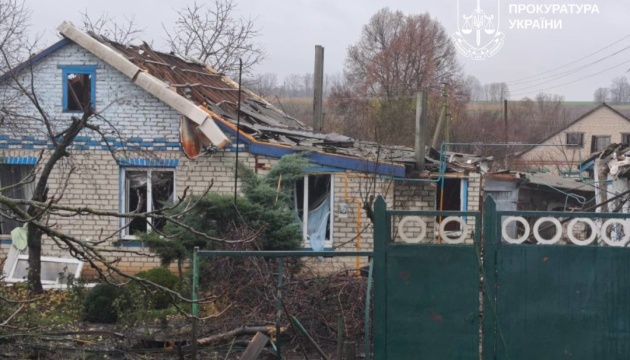
Series of Russian strikes in Kharkiv region: nine people injured
Throughout Friday, Russian forces launched a series of strikes on settlements in the Kharkiv region using drones and multiple-launch rocket systems.
 🛡️Security
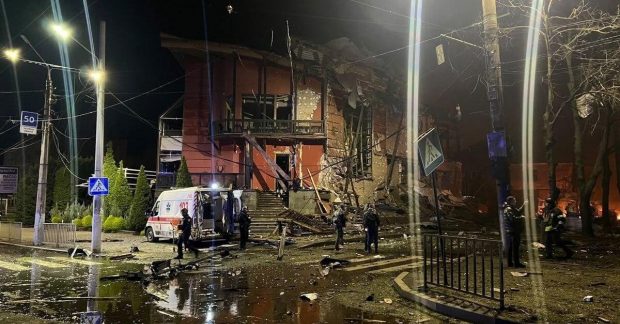
Missile strike on Kryvyi Rih: casualties and dozens injured
Russian forces launched two ballistic missiles at the center of Kryvyi Rih, resulting in fatalities and over 40 people injured.
 🛡️Security
Frontline update for November 20: Ongoing combat and high tension in the Pokrovsk sector
The General Staff of the Armed Forces of Ukraine reported 157 combat engagements, highlighting the Pokrovsk sector as the focal point of enemy activity.