Indoor Flower Care: How to Properly Fertilize Begonias for Abundant Blooming
Plant care experts shared recommendations on growing indoor begonias. Proper fertilization helps plants form lush and vibrant buds.
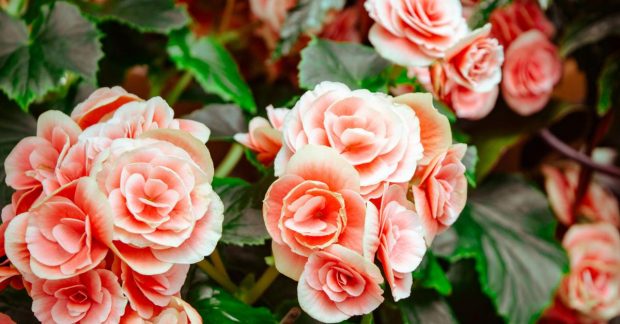 👥Society
Photo: UNIAN
Key points
- Indoor begonias require regular feeding due to the rapid depletion of nutrients in potted soil.
- Balanced NPK fertilizers are used during active growth, while phosphorus and potassium take priority during blooming.
- Fertilizers should always be applied to moist soil following a plain water watering to protect plant roots.
Indoor begonias remain a popular choice for decorating homes, windowsills, and balconies. However, for a plant to bloom regularly and abundantly, it requires careful maintenance and timely nutrient replenishment. Because the volume of soil in a pot is limited, beneficial microelements wash out quickly during watering, causing the flowers to experience nutrient deficiencies.
Nutrient Application Based on Growth Stages
The choice of fertilizer directly depends on the plant's growth phase and variety. In spring, when green plants are waking up from winter dormancy and actively developing green mass, specialists recommend using balanced NPK fertilizers with equal ratios of nitrogen, phosphorus, and potassium. This ensures harmonious growth of leaves, roots, and future buds.
Once the blooming period begins, the approach to feeding changes. Experts advise completely removing nitrogen from the fertilizer mix because it promotes leaf growth at the expense of buds. Instead, the focus shifts to phosphorus and potassium. The first component provides the energy needed to set flower buds, while the second enhances overall plant endurance. Superphosphate and potassium monophosphate are noted as effective options during this stage.
Practical Tips for Safe Fertilization
To avoid damaging the delicate plant, fertilizers should always be applied to pre-moistened soil—meaning the pot is first watered with plain water to ensure safe absorption of microelements. For indoor settings, liquid fertilizers are preferred because roots absorb them much faster. The typical frequency of feeding is once every 10 to 14 days, and after blooming ceases, fertilization is paused until the next cycle.
Source UNIAN — unian.ua/lite/advice/chem-podkormit-begoniyu-dlya-cveteniya-polezno… ↗
Read next
 💼Economy
Official NBU Exchange Rates: Dollar and Euro Rise Again in Late November
The National Bank of Ukraine increased the official exchange rates for the US dollar and euro for November 24 following a previous decline.
 🛡️Security
Massive Strikes Target Ukrainian Infrastructure: Six Dead and Dozens Injured
Over the past day, Russian forces launched a series of massive attacks on energy and transport facilities across Ukraine, resulting in six deaths.
 🛡️Security
Bobrovytsia Community Bids Farewell to Fallen Soldier Vasyl Shostak
The Chernihiv region has bid a final farewell to serviceman Vasyl Shostak, who died on the Donetsk front line. The farewell ceremony took place in the village of Markivts…
 🇺🇦Ukraine
Kremlin's New Nuclear Threats: Dmitry Medvedev Outlines Conditions for Using WMDs
Dmitry Medvedev, Deputy Chairman of the Russian Security Council, has once again issued threats regarding a potential preventive nuclear strike against Ukraine.
 🏛️Politics
Debate over NABU's methods: SAP prosecutor praises the bureau's media team
SAP prosecutor Rostyslav Batig commented on allegations regarding the substitution of evidence in high-profile cases with media campaigns, highlighting the professionalis…
 🧠AI Analysis
Lukoil Oil Refinery in Russia Catches Fire Following Drone Attack
A fire broke out at the Lukoil-Permnefteorgsintez refinery in Russia's Perm Krai following an alleged drone strike.