How to affectionately address a son in Ukrainian: beautiful and tender options
Linguists highlighted the variety of tender and affectionate terms available in the Ukrainian language to address sons on International Son's Day.
 👥Society
Photo: TSN
Key points
- International Son's Day highlights the linguistic diversity of affectionate terms in Ukrainian.
- Various derivations like 'synku' and 'synochku' fit children of all ages.
- Figurative nicknames add a special cultural resonance to family communication.
- Proper use of the vocative case ensures grammatical correctness in daily speech.
The Ukrainian language offers a rich variety of warm words that parents can use to express their love and care for their sons. While common diminutive forms are widely used, dictionaries feature many other natural and melodic options suitable for everyday family communication. On the occasion of International Son's Day, experts reviewed traditional and affectionate ways to address boys of any age.
Traditional forms derived from the word 'son'
The most widespread and natural options remain classic terms suitable for both toddlers and adult men. These include 'synku', 'synochku', 'synonku', and 'syn'. Linguists also note that the colloquial form 'synulia' is officially recorded in Ukrainian dictionaries, dispelling the misconception that it is exclusively a foreign borrowing.
Imaginative and expressive nicknames
Beyond derivatives of the main noun, the language includes numerous expressive words that highlight deep affection. Parents can use endearing terms like 'sonechko' (little sun), 'serdenko' (little heart), 'zolotko' (little gold), or 'ptasheniatko' (little bird). Traditional and proud forms like 'sokole' (falcon) and 'kozache' (little cossack) are also wonderful for boys.
Experts emphasize the importance of using the correct vocative case when addressing a child directly. Ultimately, the choice depends on family traditions and the child's age, as long as the words convey genuine love and warmth.
Source TSN — tsn.ua/other/sonechko-chy-kozache-iak-lahidno-zvertatysia-do-syna-ukray… ↗
Read next
 🏛️Politics
Donald Trump threatens Iran with new strikes after New Year
The US President announced readiness for military action following the failure of diplomatic talks with Tehran.
 🩺Health
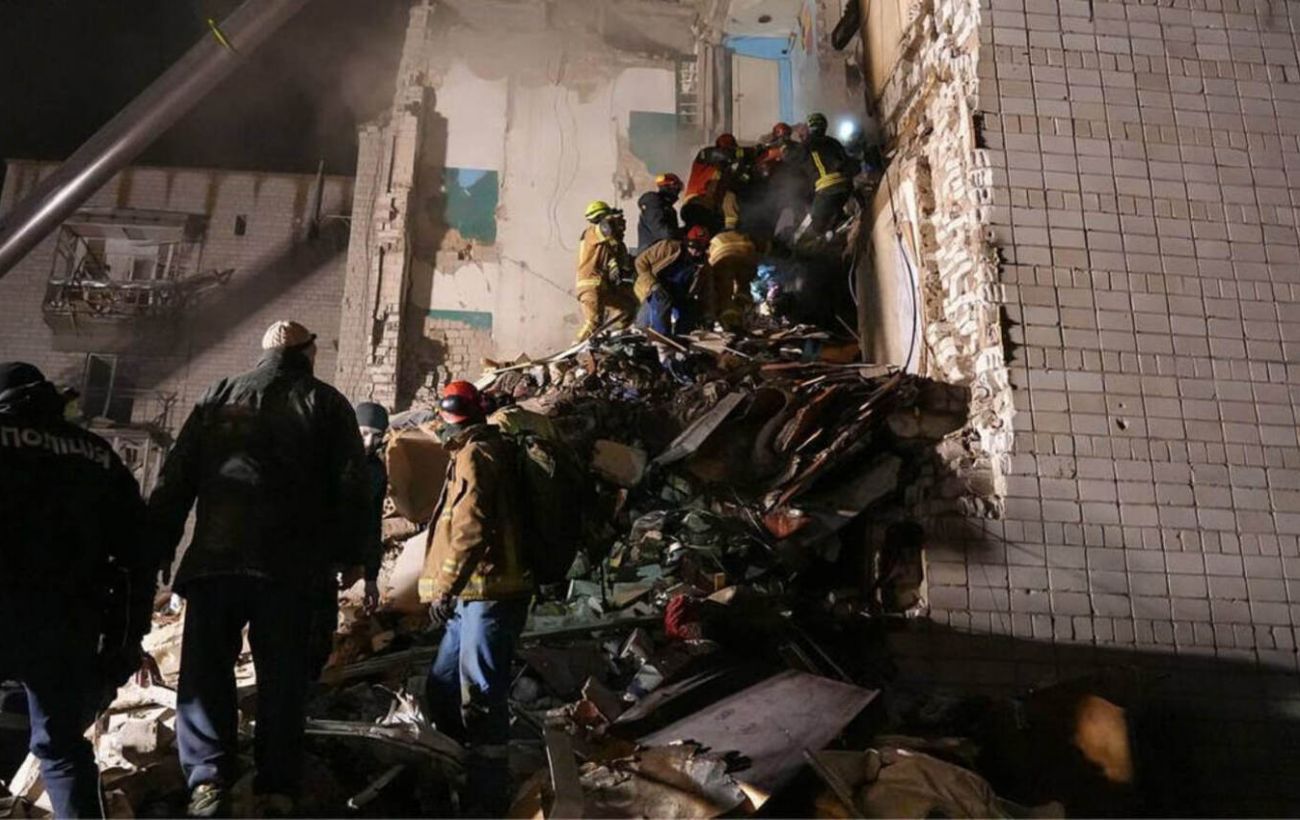
Tragedy in Dymer: Death toll from drone attack rises to six
Rescue teams are clearing the rubble of a five-story building in Dymer, where six people have died following an enemy drone strike.
 🏛️Politics
British Minister Hamish Falconer harshly criticizes Putin and Trump's stance
UK government minister Hamish Falconer publicly labeled the Russian president a "butcher" and rejected any possibility of friendly relations with him.
 🚨Events
Shooting in Kharkiv: Police launch special operation
Law enforcement in Kharkiv are investigating a homicide after discovering a man's body following reports of a shooting.
 🏛️Politics
US Considers Providing Ukraine with NATO-Style Security Guarantees
The US is initiating a series of consultations on a new European security architecture, which may include security guarantees for Ukraine modeled on NATO's Article 5.
 ⚽Sport
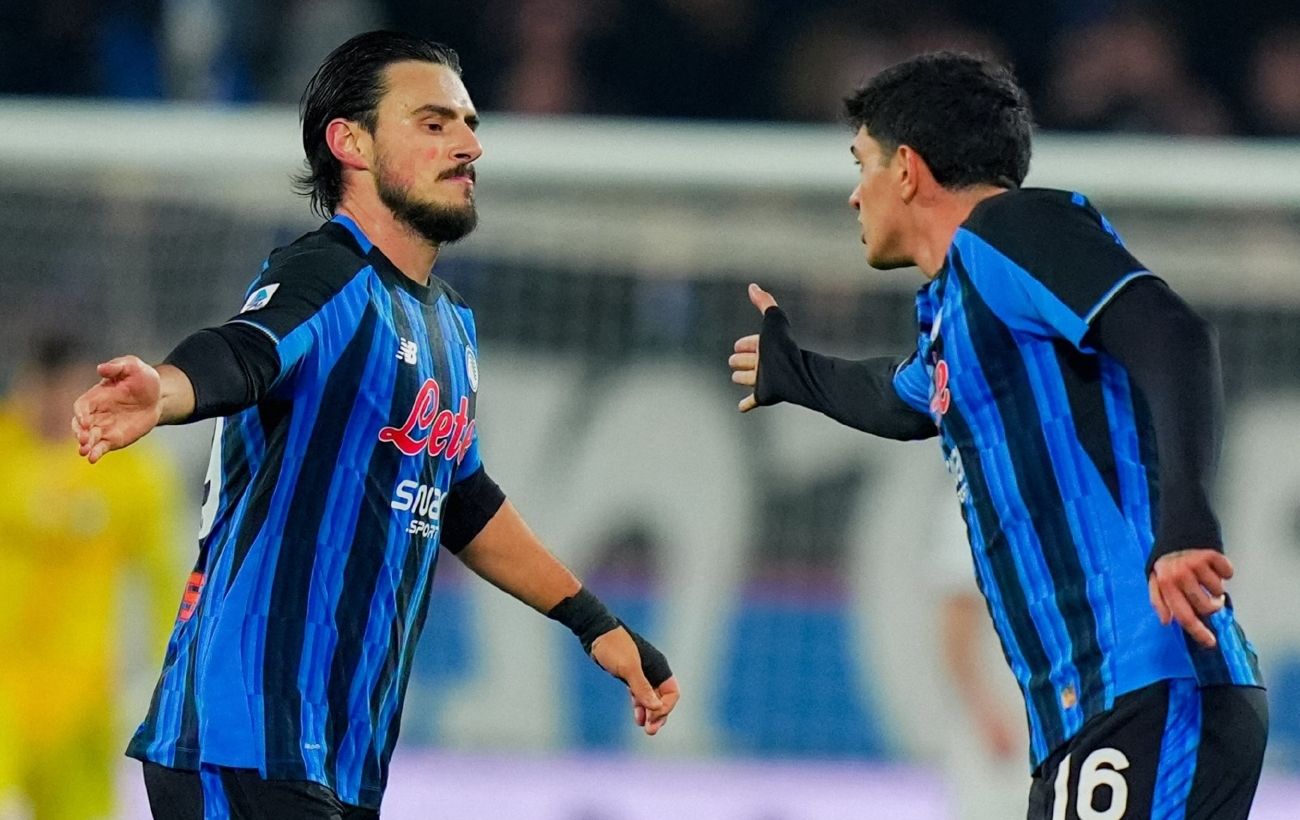
High-scoring draw in Serie A: Atalanta and Inter share the spoils
Atalanta and Inter played out a thrilling 4-4 draw in the 12th round of the Italian championship.