Cascading Crisis in Metallurgy Threatens Ukrainian City Budgets and Jobs
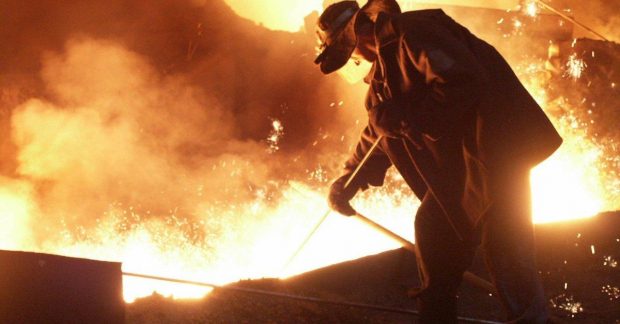
Production cuts in Ukraine's mining and metals sector trigger a chain reaction, leading to tax deficits in local and state budgets.
 💼Economy
Photo: UNIAN
Key points
- Production drop in metallurgy threatens Ukrainian city budgets
- Reduction in tax revenues from VAT and income tax
- Risks to employment and related economic sectors
The current economic situation in Ukraine demonstrates the close connection between core industries and the financial stability of territorial communities. Crisis phenomena in the domestic metallurgical sector have ceased to be an internal problem of commercial enterprises, turning into a systemic challenge for state and local finances. Due to the consequences of enemy shelling, logistical difficulties, the blockade of sea ports, and electricity shortages, key industry players are forced to reduce production and export volumes.
Chain Reaction and Budget Losses
According to preliminary data, over nine months, specialized enterprises have demonstrated a significant drop in tax deductions. In particular, Metinvest reduced its payments by 6%, while revenues from income tax and VAT fell even more rapidly. Other industrial giants, such as the Dneprovsky Metallurgical Plant and ArcelorMittal Kryvyi Rih, also suffered serious blows. Metinvest CEO Yuriy Ryzhenkov emphasizes the critical nature of the situation, noting that the country risks losing billions of hryvnias and jobs.
This trend causes a cascading effect in related sectors. Reduced orders in energy, transport, engineering, and small businesses lead to a shrinking overall tax base. Industrial cities are already facing the need to sequester local budgets, as personal income tax and land fees form the basis of their development. This directly affects the financing of municipal infrastructure, educational, and medical institutions in the regions.
For residents of Pryluky and other Ukrainian communities, such nationwide processes imply risks to overall economic stability and consumption levels. The decrease in financial inflows at the state level limits opportunities for budget payments and recovery programs, while declining employment in industrial centers stimulates internal migration. Preserving the tax base through stable energy supply and logistics is becoming a matter of survival for the country's entire economic system.
Source UNIAN — unian.ua/society/kaskadniy-efekt-padinnya-virobnictva-u-metalurgiji… ↗
Read next
 🛡️Security
Massive Strikes Target Ukrainian Infrastructure: Six Dead and Dozens Injured
Over the past day, Russian forces launched a series of massive attacks on energy and transport facilities across Ukraine, resulting in six deaths.
 🛡️Security
Bobrovytsia Community Bids Farewell to Fallen Soldier Vasyl Shostak
The Chernihiv region has bid a final farewell to serviceman Vasyl Shostak, who died on the Donetsk front line. The farewell ceremony took place in the village of Markivts…
 🇺🇦Ukraine
Kremlin's New Nuclear Threats: Dmitry Medvedev Outlines Conditions for Using WMDs
Dmitry Medvedev, Deputy Chairman of the Russian Security Council, has once again issued threats regarding a potential preventive nuclear strike against Ukraine.
 🏛️Politics
Debate over NABU's methods: SAP prosecutor praises the bureau's media team
SAP prosecutor Rostyslav Batig commented on allegations regarding the substitution of evidence in high-profile cases with media campaigns, highlighting the professionalis…
 🧠AI Analysis
Lukoil Oil Refinery in Russia Catches Fire Following Drone Attack
A fire broke out at the Lukoil-Permnefteorgsintez refinery in Russia's Perm Krai following an alleged drone strike.
 🛡️Security
Oleksandr Syrskyi Outlines Three Key Lessons of War for the International Community
Former Commander-in-Chief of the Armed Forces of Ukraine Oleksandr Syrskyi, speaking at the Halifax International Security Forum, highlighted the main lessons from the Ru…